
VSI Crusher vs. Cone Crusher: Which One Should You Choose for Sand Making?

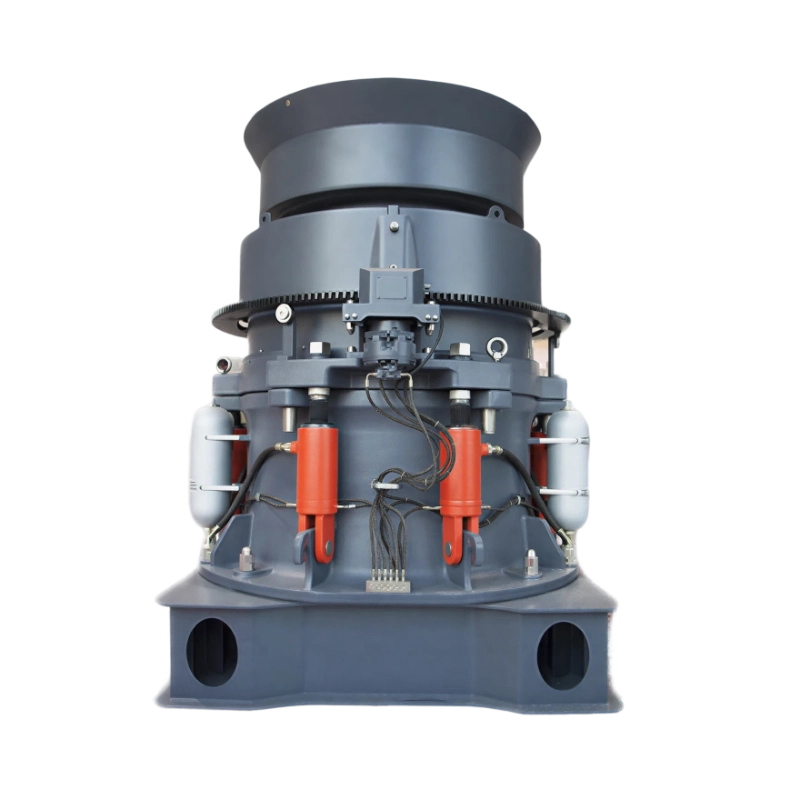
Table of Contents
- Understanding the Basics
- Performance Differences in Sand Production
- Cost and Efficiency Considerations
- Material Suitability Matters
- A Practical Setup Approach
- Where Taoyi Fits In
- FAQs
- Final Thoughts
When it comes to producing high-quality manufactured sand, choosing between a VSI crusher and a cone crusher isn’t always straightforward. Both machines play important roles in aggregate processing, but they serve different purposes depending on your material, desired output, and production setup. After working with various crushing lines, I’ve found that understanding how each machine behaves in real conditions makes the decision much easier.
Understanding the Basics
A VSI crusher (vertical shaft impact crusher) is designed for shaping and fine crushing. It uses high-speed rotors to throw materials against a crushing chamber, creating well-shaped, cubical particles. This makes it especially suitable for sand making and aggregate shaping applications.
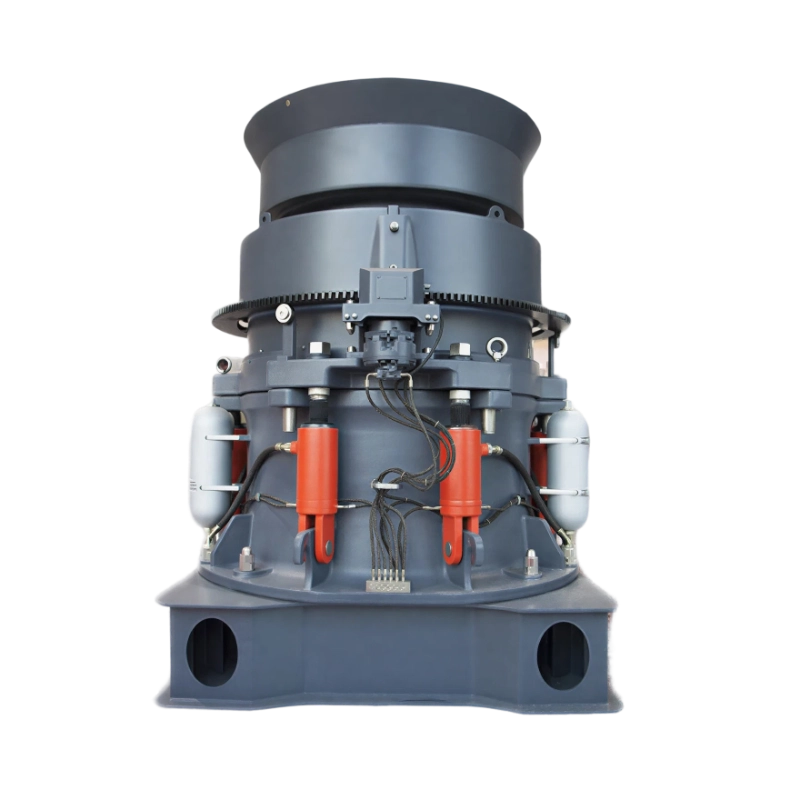
On the other hand, a cone crusher relies on compression. Material is squeezed between a moving cone and a fixed outer surface, making it ideal for secondary or tertiary crushing of hard rocks. It’s more about reduction than shaping.
Performance Differences in Sand Production
If your main goal is to produce high-quality artificial sand, a VSI crusher for sand making is usually the better choice. It excels at:
- Producing uniform, cubical particles
- Improving gradation and reducing flaky materials
- Delivering consistent output for concrete or asphalt use
A cone crusher for aggregate crushing, however, shines when:
- You need high throughput with hard materials like granite or basalt
- The feed size is relatively large
- You’re preparing material for further processing (like feeding into a VSI)
In many real-world setups, these two machines actually work together. The cone crusher handles bulk reduction, while the VSI refines the material into sand.
Cost and Efficiency Considerations
From an operational standpoint, energy-efficient VSI crusher systems tend to consume more power per ton compared to cone crushers, mainly due to their high-speed impact mechanism. However, they often reduce the need for additional shaping equipment.
Cone crushers, especially in high-capacity crushing lines, are generally more cost-effective for primary reduction stages. They have:
- Lower wear costs for certain materials
- Higher throughput rates
- More stable performance under heavy loads
That said, if your final product requires strict particle shape standards, skipping a VSI can actually increase downstream costs.
Material Suitability Matters
Material characteristics play a huge role in the decision:
- For soft to medium-hard materials (like limestone), a VSI alone may be sufficient for sand production.
- For hard and abrasive materials, combining a cone crusher with a VSI is often the most efficient approach.
In my experience, relying solely on a cone crusher for sand can lead to poor particle shape and excess needle-like grains—something most concrete producers try to avoid.
A Practical Setup Approach
A common and effective configuration looks like this:
- Primary crushing (jaw crusher)
- Secondary crushing (Cone Crusher)
- Final shaping (VSI Crusher for fine sand production)
This combination balances capacity, efficiency, and product quality—especially in large-scale operations.
Where Taoyi Fits In
If you’re planning to upgrade or build a new sand production line, Taoyi offers both high-performance VSI crushers and durable cone crushers designed for different stages of crushing. Their equipment focuses on wear resistance, stable output, and easy maintenance—things that actually matter once the plant starts running daily.
Rather than pushing a one-size-fits-all solution, Taoyi typically supports customized configurations based on your material and output requirements, which is often where projects succeed or fail.
FAQs
Can a VSI crusher replace a cone crusher?
Not really. A VSI crusher is excellent for shaping and fine crushing, but it’s not designed for handling large feed sizes or primary reduction. In most cases, it complements rather than replaces a cone crusher.
Which crusher produces better sand quality?
For high-quality manufactured sand, a VSI crusher for cubical sand production is the better option. It delivers superior particle shape and gradation compared to a cone crusher alone.
Is it necessary to use both crushers in one plant?
For large-scale or high-spec projects, yes. A combination of a cone crusher and a VSI crusher in a sand production line ensures both efficiency and product quality. Smaller setups, however, may only require one depending on the material.
Final Thoughts
Choosing between a VSI crusher and a cone crusher really comes down to your production goals. If you’re focused on shaping and sand quality, VSI is essential. If you need efficient material reduction and high throughput, cone crushers do the heavy lifting.
In many cases, the smartest move isn’t choosing one over the other but knowing how to use both together.